Advanced Simulation for Confident Engineering Decisions
Understand structural, fluid and thermal behaviour. Identify critical regions and assess practical improvements before your next design decision
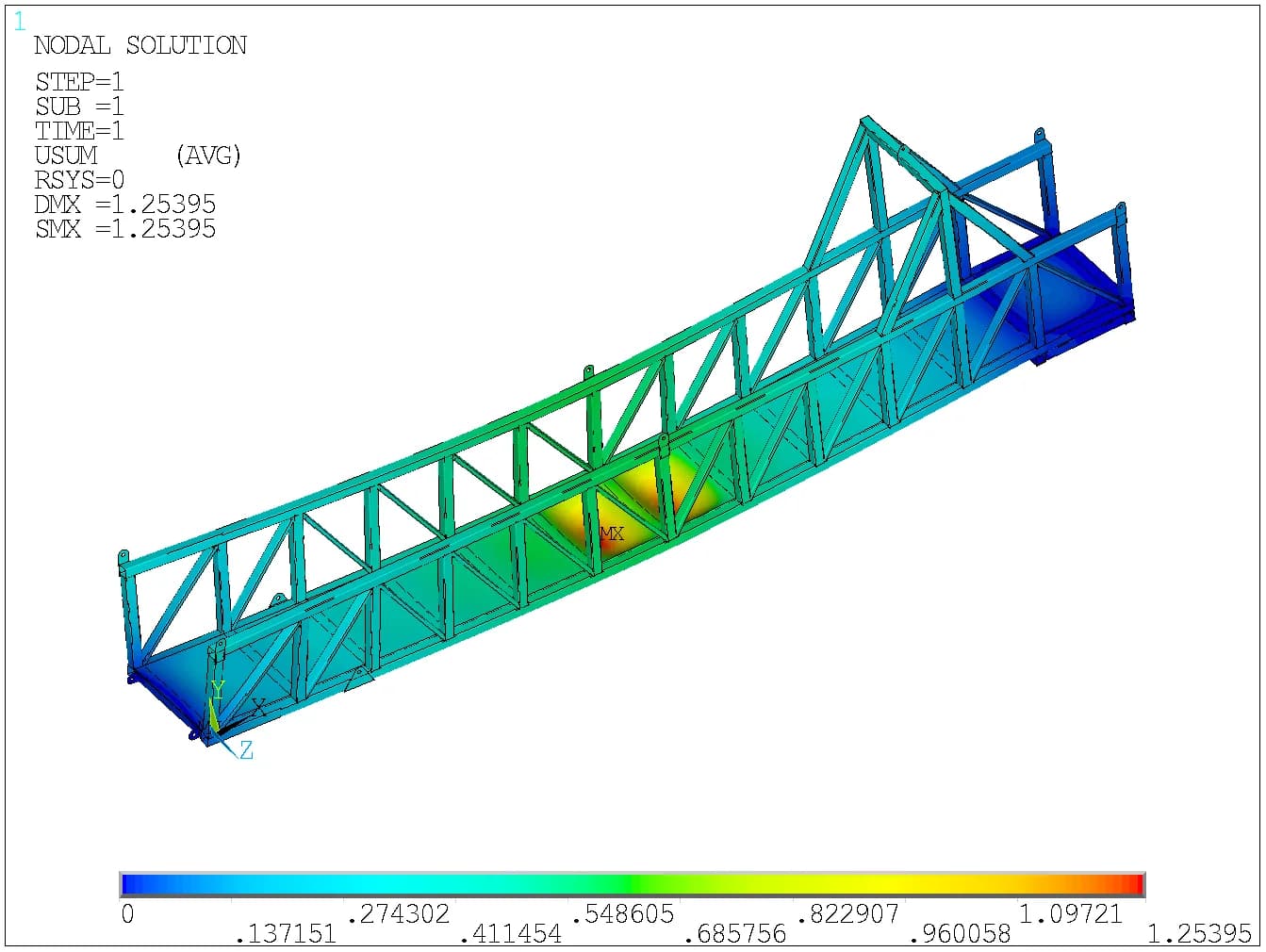
Our Capabilities
The right analysis. A clearer way forward.
Explore a focused assessment for your component, equipment, fluid system or built environment
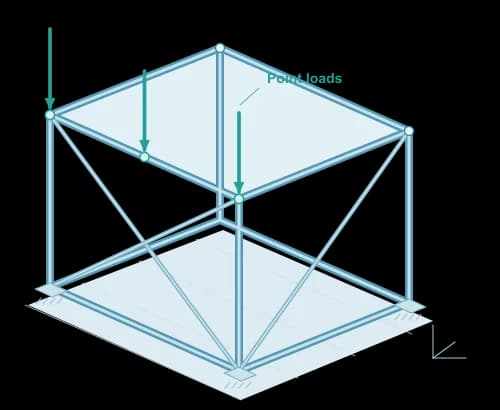
01 / FEA
Finite Element Analysis
Understand how components and assemblies respond to loads, vibration and temperature. Identify critical regions and assess practical design changes
- Strength
- Vibration
- Durability
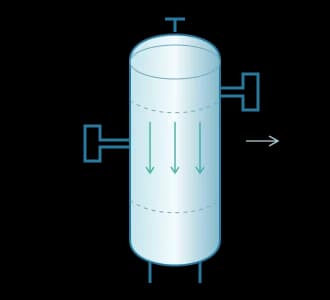
02 / ASME FEA
ASME FEA
Assess pressure-retaining equipment against the relevant code criteria, with defined load cases, modelling assumptions and documented findings
- Pressure
- Thermal Loads
- Code Assessment
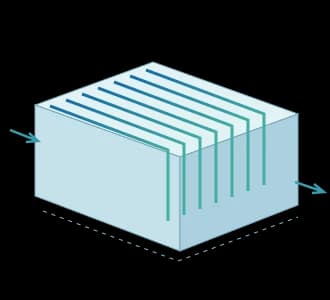
03 / CFD
Computational Fluid Dynamics
Examine flow behaviour, pressure loss and heat transfer. Compare design alternatives for fluid systems, cooling applications and thermal management
- Fluid Flow
- Heat Transfer
- Cooling
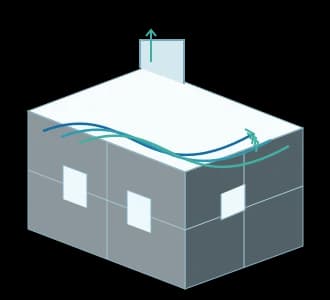
04 / HVAC CFD
HVAC & Built Environment CFD
Explore airflow, ventilation and thermal comfort in buildings and industrial spaces, including smoke movement studies within a defined scope
- Ventilation
- Comfort
- Smoke Movement
From question to decision
Engineering context, at every step

Define the problem
Agree on the operating conditions, relevant load cases and the questions the assessment needs to answer

Build and check
Represent the physics, review modelling assumptions and check the quality of the numerical solution

Explain the findings
Connect results with design implications, practical recommendations and the limits of the assessment
faq
Frequently Asked Questions
Quick answers about our simulation services, the inputs we need and what you receive.
FEA (finite element analysis) predicts how solid parts and assemblies respond to loads, vibration and temperature. CFD (computational fluid dynamics) predicts how liquids and gases flow, including pressure loss and heat transfer. Many products need both.
It depends on the decision you need to make. Tell us about the component or system, its operating conditions and the question you want answered, and we will recommend a suitable scope: FEA, ASME FEA, CFD or HVAC & built environment CFD.
Usually CAD geometry or drawings, materials, operating conditions such as loads, pressures, temperatures and flow rates, any applicable codes or standards, and the questions the assessment should answer.
A report that documents the load cases, modelling assumptions and results, and connects them with design implications, practical recommendations and the limits of the assessment.
Yes. We identify critical regions and assess practical design changes, so you can compare alternatives before committing to your next design iteration.
ASME FEA assesses pressure-retaining equipment, such as vessels, nozzles and piping components, against the relevant ASME code criteria, with defined load cases, modelling assumptions and documented findings.
We review modelling assumptions and check the quality of the numerical solution, including mesh and boundary conditions, and compare results with hand calculations or test data where available.
Simulation reduces the number of prototypes and tests by answering design questions earlier, but it does not always replace testing. Where validation or certification requires it, simulation and physical testing work together.
To study airflow, ventilation and thermal comfort in buildings and industrial spaces, including smoke movement within a defined scope, before the space is built or modified.
It depends on the scope, the complexity of the geometry and the number of load cases or design options. We confirm the timeline with our proposal once the scope is agreed.
Turn your engineering question into a clear assessment
Share your design, operating conditions and the decisions you need to make. We’ll help define a suitable analysis scope.