Make the next iteration count
Turn a design question into something you can inspect, assemble and evaluate. Connect prototype learning with your next step toward low-volume production
Step 01: Engineering-led builds
Step 02: Virtual + physical validation
Step 03: Design for assembly
Step 04: Production handover
Prototyping & Manufacturing
The right build. For your next decision.
Whether you need to demonstrate a concept or prepare a limited production run, start with the questions your next build needs to answer
Mechanical Prototyping
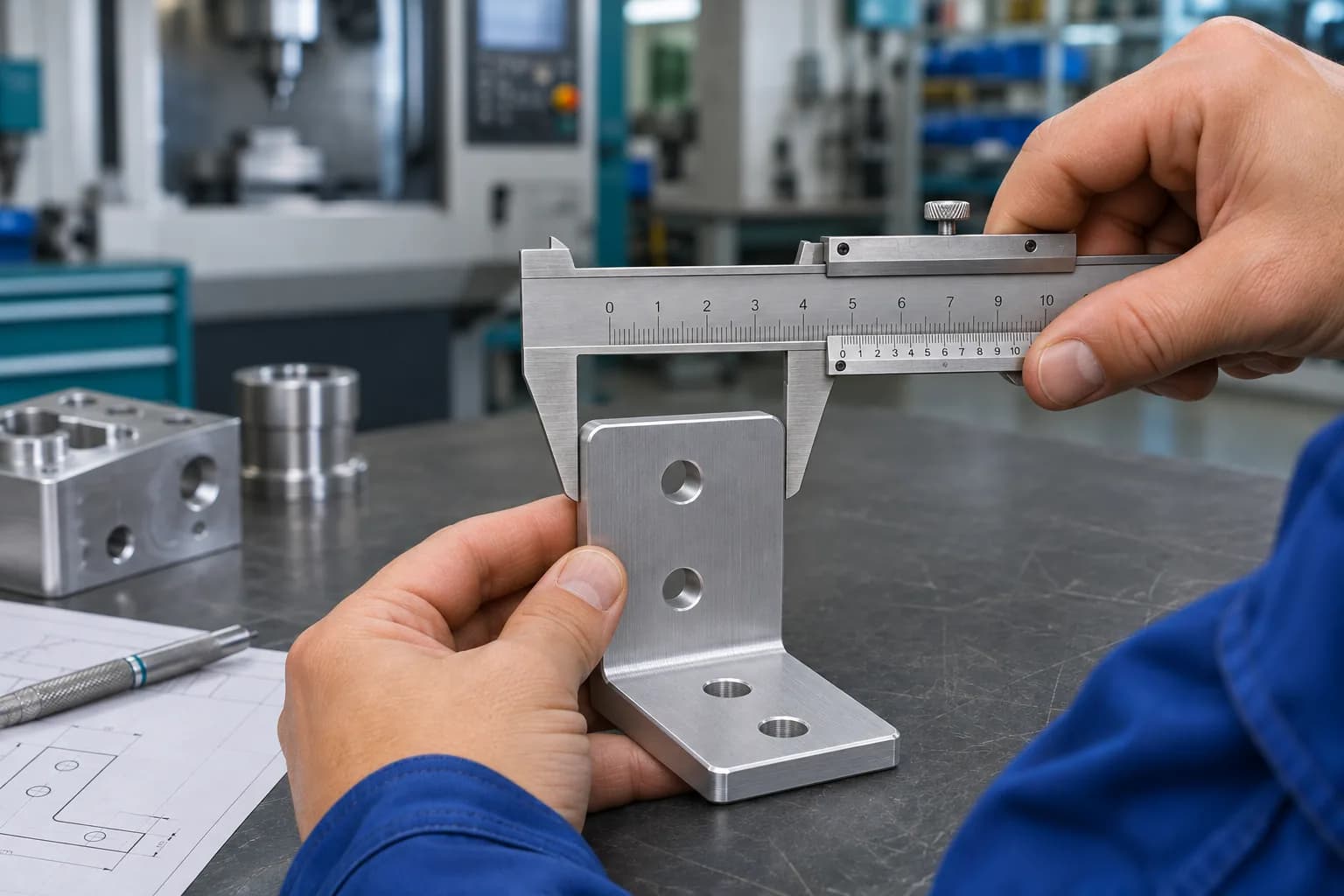
Bring form, fit and function into the real world. Resolve assembly details and develop evidence for your next design iteration
- Proof-of-concept models
- Appearance and functional prototypes
- Alpha and beta builds
- Material and assembly review
Short-run Production
Develop low-volume parts and assemblies while keeping process selection, inspection and production readiness in view
- CNC machining and urethane casting
- Additive manufacturing
- Simulation-led production review
- NPI, inspection and supplier support
Proposed delivery journey
A clear path from brief to build
Agree the scope, build method and acceptance criteria before committing to the next stage
01 / DEFINE
Understand the need
Review the CAD, intended use, quantities and practical constraints
01 / ENGINEER
Prepare the design
Review materials, tolerances, manufacturing processes and assembly details
01 / BUILD
Make it tangible
Produce the agreed prototype or limited run and assess the result
01 / REFINE
Close the feedback loop
Document findings, resolve design changes and plan the next release
Selected project evidence
From the drawing board to the workshop
See how mechanical development connects detailed design with physical integration
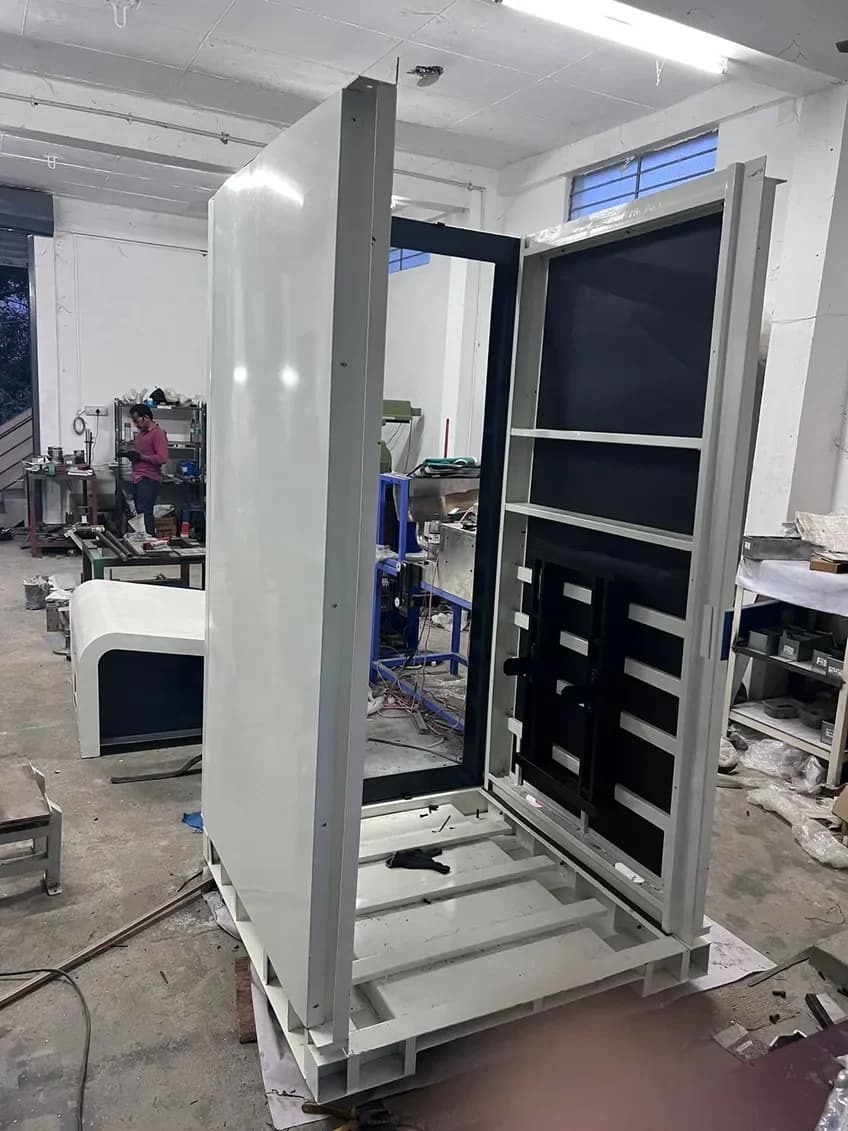
PRODUCT DEVELOPMENT
PettiPOD
A compact workspace combining enclosure design, adjustable furniture, electronics and a physical prototype.
View Project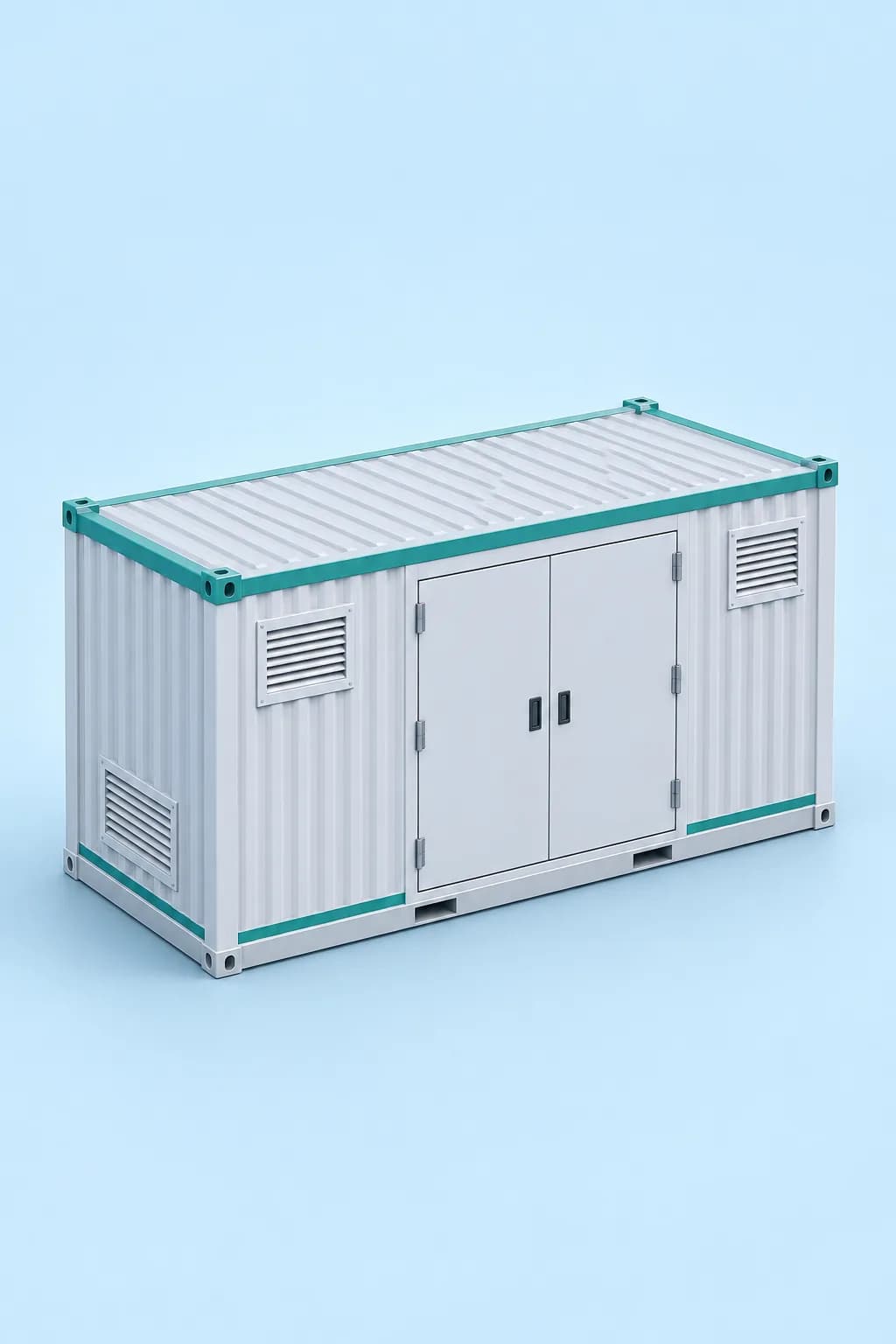
ENCLOSURE ENGINEERING
BESS
Mechanical design, structural and thermal analysis, fabrication drawings and workshop integration support
View Project
faq
Frequently Asked Questions
Quick answers about prototyping, short-run production and how we take a build from brief to workshop.
Proof-of-concept models, appearance and functional prototypes, and alpha and beta builds, with material and assembly review along the way.
Prototyping answers design questions about form, fit and function. Short-run production makes low-volume parts and assemblies while keeping process selection, inspection and production readiness in view.
Your CAD or drawings, the intended use, expected quantities and any practical constraints, plus the questions you want the build to answer.
Depending on the part and quantity: CNC machining, urethane casting and additive manufacturing, with the process chosen to suit the material, tolerances and volume.
Yes. We review materials, tolerances, manufacturing processes and assembly details, and use virtual validation to check the design before committing to a physical build.
Acceptance criteria are agreed at the start. Builds are inspected against them, and findings are documented so design changes can be resolved before the next release.
Yes. We connect prototype learning with production handover, including simulation-led production review, NPI, inspection and supplier support.
We close the feedback loop: document the findings, resolve design changes and plan the next release, whether that is another iteration or a limited production run.
Both. We build individual parts as well as complete assemblies, including enclosures and integrated products such as PettiPOD and the BESS enclosure.
It depends on the design, the processes involved and the quantities. We confirm the timeline once the scope, build method and acceptance criteria are agreed.
What do you need your prototype to prove?
Start with your drawings, expected quantities and the questions you want the build to answer